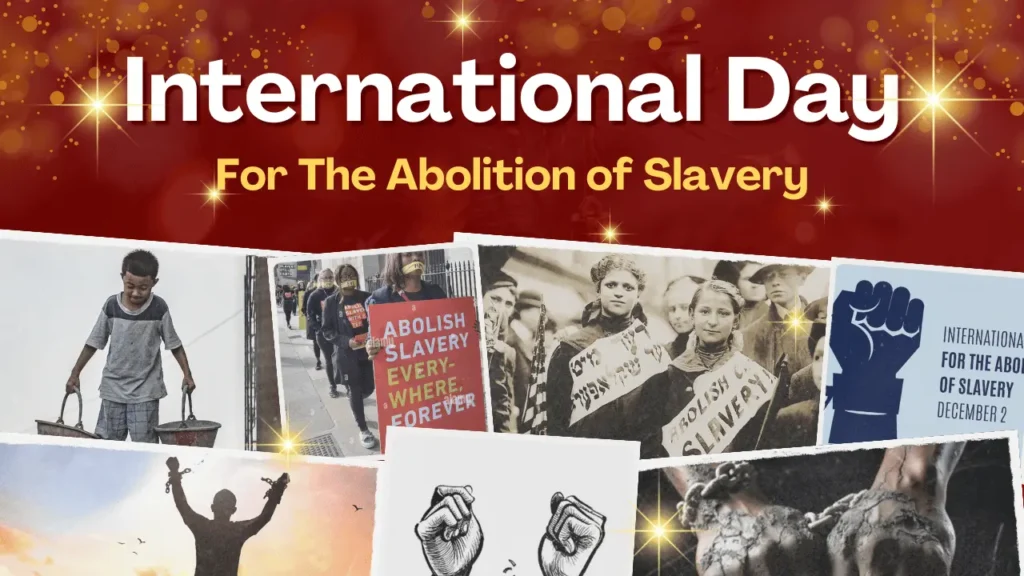
The International Day for the Abolition of Slavery, observed annually on December 2, highlights the global responsibility to protect human freedom and dignity. This day encourages reflection, learning, and action toward ending modern forms of exploitation that continue to affect millions of people worldwide.
What This Observance Represents
This United Nations–recognized day highlights the ongoing reality of modern exploitation and forced labour. Its purpose is to build awareness, encourage open discussion, and support stronger protections for individuals who remain at risk of abuse.
Why December 2 Is Recognized
The United Nations selected this date to reinforce global dedication to ending exploitation in all its forms. December 2 reflects decades of collective effort to defend freedom, support equality, and ensure that every person has the opportunity to live with dignity and safety.
Modern Forms of Exploitation
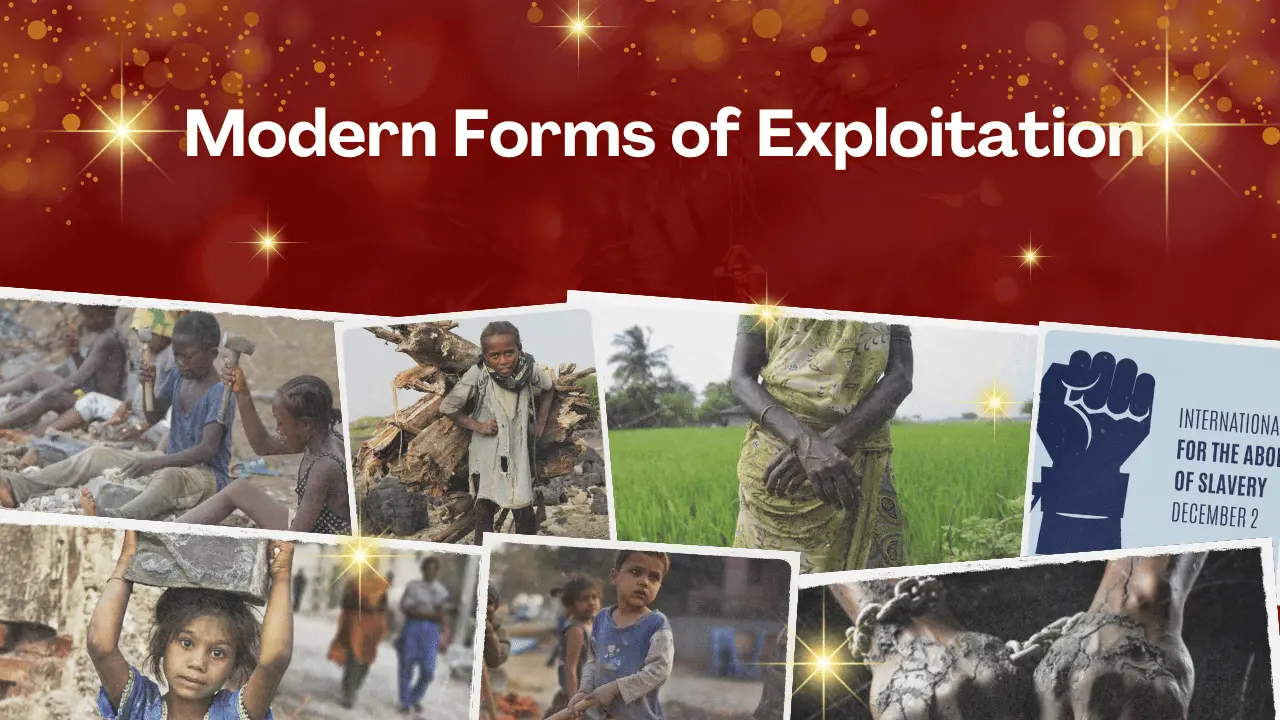
Although traditional slavery has ended in many regions, harmful practices still exist in different parts of the world. These include:
- Forced labour in various industries
- Human trafficking that targets vulnerable individuals
- Child labor that affects safety, education, and development
- Debt bondage and other unfair financial arrangements
- Forced marriage and exploitation within households
Confronting these issues remains a major global priority, as each practice threatens human dignity and basic rights.
How This Day Is Observed Around the World
Communities, organizations, and individuals mark the day through activities such as:
- Awareness campaigns that highlight human rights
- Educational workshops that explore modern forms of exploitation
- Cultural events that promote inclusion and equality
- Sharing real stories of resilience and recovery
- Online initiatives that bring global attention to these issues
These efforts encourage understanding and inspire actions that help protect vulnerable individuals.
Simple Ways to Observe the International Day for the Abolition of Slavery
People can support this observance through simple, meaningful actions such as:
- Learning about human rights and current forms of exploitation
- Sharing messages that encourage empathy and fairness
- Reflecting on personal freedoms and recognizing their importance
- Supporting credible organizations that work to protect vulnerable individuals
Even small efforts contribute to a more compassionate and informed world.
Why Awareness of Modern Slavery Is Essential
Awareness increases understanding and leads to action. When communities learn about the realities of exploitation, they are better equipped to challenge injustice, support victims, and advocate for stronger protections. Awareness strengthens global unity in defending human dignity.
Key Facts to Understand Modern Slavery and Forced Labor
Recognizing the scale of modern exploitation helps show why continued action is necessary:
- Millions of individuals are subjected to forced labour each year
- Many people are trafficked across borders or within their own communities
- Children remain especially vulnerable to harm
- Poverty, conflict, and instability increase the risk of abuse
These realities highlight the need for sustained attention and stronger global protections.
The Importance of Education in Ending Modern Slavery
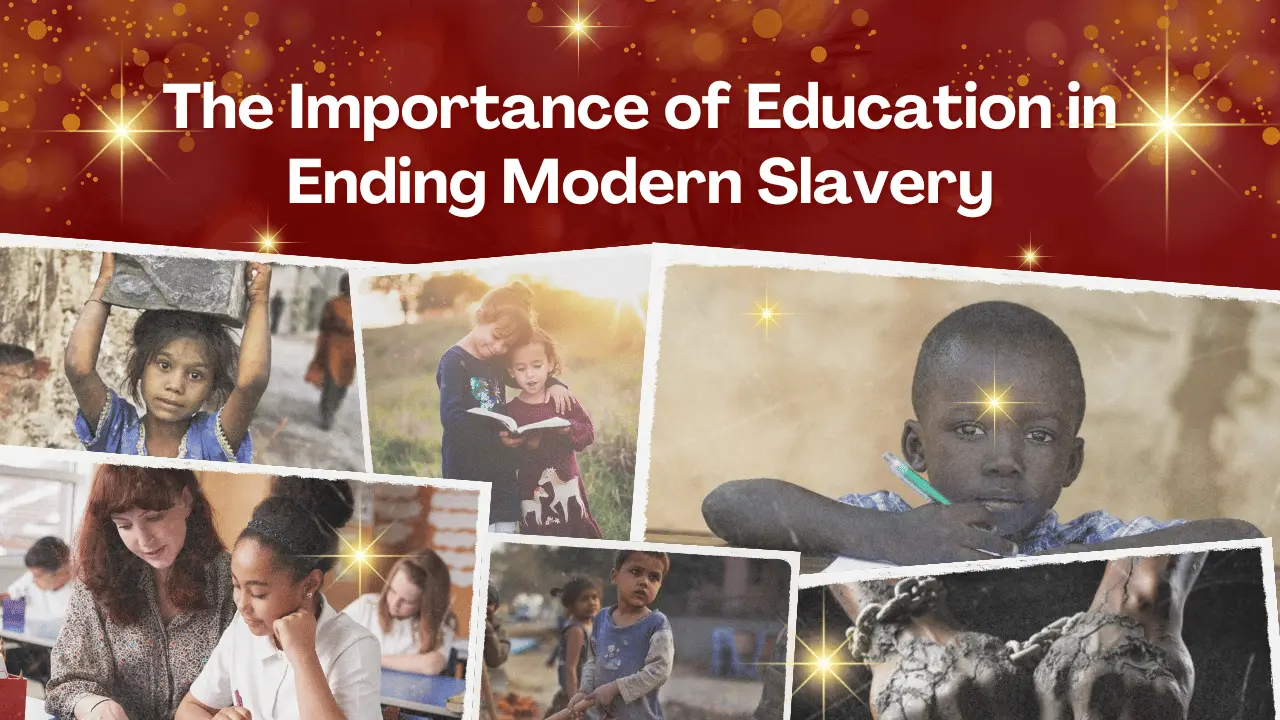
Education empowers communities with the tools they need to create safer environments. Key areas include:
- Knowledge of human rights and legal protections
- Awareness of risk factors and early warning signs
- Access to resources for seeking help
- Promotion of ethical labour practices and fair treatment
Education strengthens prevention and encourages long-term change.
Affiliate Disclosure
This post contains affiliate links. I may earn a small commission if you make a purchase, at no extra cost to you. I only share resources I believe are helpful and relevant.
Experts and human rights advocates often recommend this book for anyone who wants a clear and compassionate understanding of modern exploitation.
Why readers find this book worth exploring:
It offers real-life accounts that help readers understand the human impact behind the statistics.
It explains complex issues in a way that is easy to follow and deeply engaging.
It highlights the strength and resilience of survivors, which many readers find inspiring.
It provides valuable context about global challenges that are often overlooked.
It equips readers with knowledge that supports informed conversations and advocacy.
How Organizations Help Address Exploitation
Many groups work together to reduce exploitation and protect vulnerable individuals. Their efforts include:
- Strengthening labour laws and ensuring proper enforcement
- Cooperating across borders to disrupt trafficking networks
- Providing support and recovery services for survivors
- Creating programs that address poverty and other risk factors
- Leading global campaigns that raise awareness
- Conducting research to better understand patterns of abuse
These combined actions move the world closer to ending modern forms of slavery.
A Survivor Story
Maria, a young woman from a rural community, left home at eighteen after being promised steady work in a nearby city. When she arrived, she discovered that the job did not exist. Instead, her documents were taken, and she was forced to work long hours in a small workshop with little rest and no pay. For months, she hoped for help but had no safe way to reach anyone outside.
Her situation changed when a local outreach group visited the area to check on workers. One volunteer noticed Maria’s discomfort and gently asked if she felt safe. That small moment of concern opened the door to her rescue. The organization helped her leave the workshop, receive medical care, and connect with a support centre. With time and counselling, she built the confidence to continue her education and eventually trained as a community advocate.
Today, Maria speaks to small groups in her region, sharing how awareness and compassion saved her life. Her story continues to inspire others to watch for warning signs and support individuals who may be at risk.
Technology and Its Role in Combating Modern Slavery
Technological tools support anti-slavery efforts through:
- Hotlines and mobile apps that allow victims to seek help
- Data analysis to identify trafficking patterns
- Online awareness campaigns
- Training platforms for educating communities
Responsible use of technology strengthens global human rights protection.
Who Is Most at Risk
Understanding the factors that increase vulnerability is essential for prevention. Groups that face higher risks often include individuals affected by:
- Poverty and limited access to stable employment
- Displacement caused by conflict or natural disasters
- Lack of educational opportunities
- Social inequality or discrimination
- Unsafe or poorly regulated work environments
Greater awareness of these risks helps communities provide stronger support and protection.
How Consumer Choices Make a Difference
Everyday purchasing decisions can influence working conditions around the world. Individuals can support ethical practices by:
- Choosing brands that follow fair labour standards
- Learning more about supply chain transparency
- Supporting companies that value human rights
- Encouraging accountability within global industries
Thoughtful consumer habits help reduce the demand for exploitative labour and promote fair, respectful treatment for workers.
How Communities Can Take Action
Building Awareness Together: Communities can strengthen protections by hosting awareness events that help people understand the realities of exploitation. These gatherings create space for learning, reflection, and meaningful conversations.
Encouraging Open Dialogue: Facilitating discussions about human rights allows community members to share experiences, ask questions, and deepen their understanding of the challenges that vulnerable individuals face.
Supporting Local Initiatives: Local organizations often provide essential services such as shelter, counselling, and legal guidance. Community support helps these groups continue their work and reach more people in need.
Involving Young People: Encouraging youth participation in advocacy nurtures future leaders who value fairness and dignity. Schools, clubs, and community groups can help young people learn about the importance of protecting human rights.
Working With Broader Networks: Partnering with regional and global networks allows communities to share resources, access training, and stay informed about best practices. Collaboration strengthens the overall effort to prevent exploitation.
The Impact of Collective Effort: When communities unite around a shared purpose, their combined actions help create safer environments and promote long-term change. Every step taken together brings society closer to ending exploitation.
FAQs
Is this a public holiday?
No. It is recognized as a global observance day.
Why is awareness important?
Awareness helps communities understand exploitation and encourages actions that protect human dignity.
How can individuals participate?
By learning, sharing information, supporting human rights organizations, and encouraging others to stay informed.
Author’s message
This observance reinforces the universal importance of freedom and fairness. It reminds us that every person deserves dignity, safety, and respect. Continued learning, advocacy, and collective action bring the world closer to ending all forms of modern slavery.
Previous Observance: World AIDS Day — December 1



1 thought on “International Day for the Abolition of Slavery: Why 2nd December Might Change How You See the World”