
St. Andrew’s Day stands as one of Scotland’s most cherished celebrations. It is a day that blends ancient history, national pride, cultural symbolism, and heartfelt tradition. For many Scots, both at home and abroad, the day is more than a national holiday. It is a moment to honour heritage, strengthen community, and celebrate the spirit of Scotland.
1. What Is St. Andrew’s Day and When Is It Celebrated?
St. Andrew’s Day is celebrated each year on 30 November and is recognised as Scotland’s official national day. It marks the life and legacy of Saint Andrew, the patron saint of Scotland, and serves as the opening chapter of the Scottish winter festive season.
The day is observed with pride across Scotland, but it also resonates deeply within Scottish communities around the world. Whether celebrated in Edinburgh or in expatriate gatherings on distant continents, St. Andrew’s Day connects people with their shared Scottish identity.
2. The Life of St. Andrew: History and Biblical Background
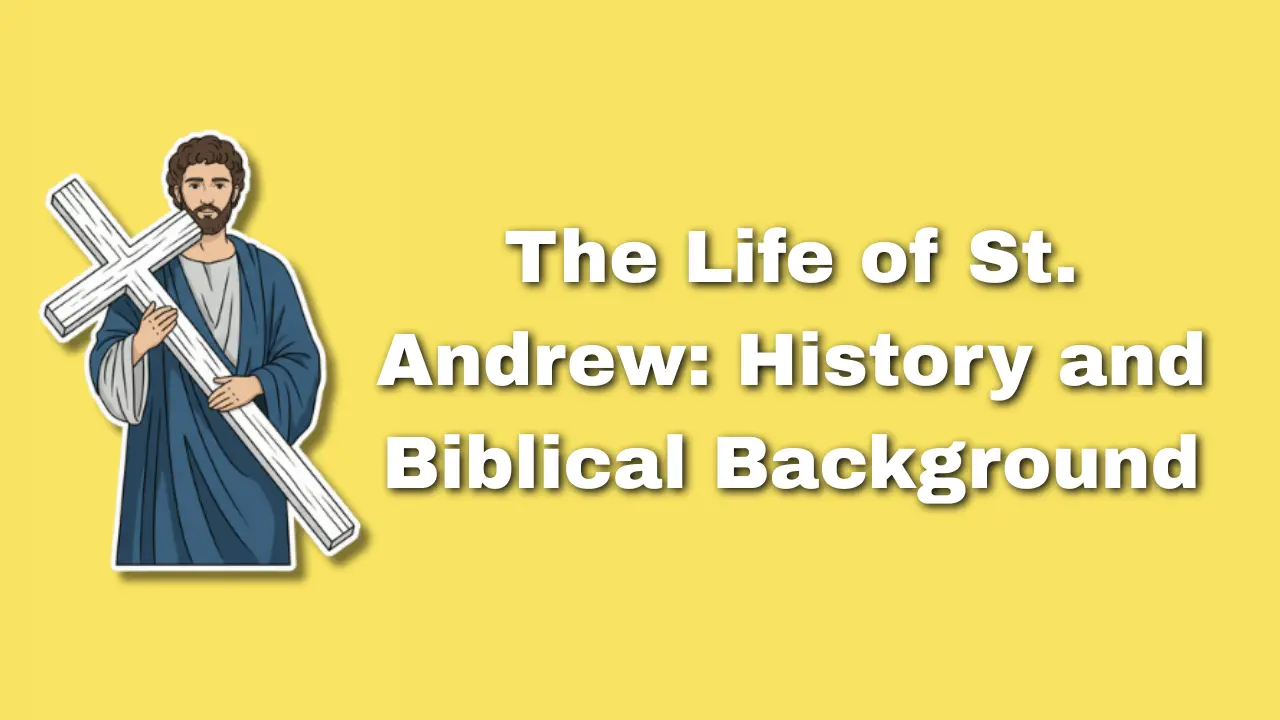
St. Andrew was one of the twelve apostles of Jesus Christ and is known as the brother of St. Peter. According to biblical accounts, Andrew was a fisherman on the Sea of Galilee before he became a follower of Jesus. His name appears throughout the New Testament, often in moments of introduction, invitation, and connection, which has led many to view him as a symbol of welcome and openness.
Historical traditions hold that Andrew travelled widely during his missionary work, spreading Christian teachings across regions that include modern-day Greece, Turkey, and parts of Eastern Europe. His influence extended far beyond the borders of his homeland, and his life became woven into the foundations of early Christian history.
Andrew’s martyrdom is traditionally believed to have taken place in the city of Patras in Greece. According to legend, he was crucified on an X-shaped cross, a form that later inspired one of Scotland’s most recognisable national symbols: the saltire, or St. Andrew’s Cross.
3. How St. Andrew Became Scotland’s Patron Saint
The question of how St. Andrew became Scotland’s patron saint leads into a blend of legend, early medieval history, and national symbolism. According to tradition, the relics of St. Andrew were brought to Scotland by a monk named St. Regulus (or Rule) during the fourth century. He is believed to have landed in what is now the town of St Andrews on the east coast of Fife, which later became an important centre of religious pilgrimage.
During the Middle Ages, Scotland sought spiritual and political independence from powerful neighbouring nations. Aligning with a revered apostle helped reinforce a distinct national identity. St. Andrew’s association with humility, kindness, and strength also resonated deeply with Scottish values.
Another key part of the story involves the saltire. Legend states that in 832 AD, the Pictish King Óengus II saw a vision of St. Andrew’s X-shaped cross appear in the sky before a battle. Inspired by this sign, the Scots claimed victory and adopted the symbol as their emblem. Whether literal or allegorical, the tale solidified St. Andrew’s place in Scotland’s heritage.
4. The Meaning of the Saltire Flag
The Saltire, Scotland’s national flag, is one of the oldest continuously used flags in the world. Its bold white X-shaped cross on a field of blue is instantly recognisable, yet its symbolic meaning runs far deeper than its simple design.
The shape of the cross represents the form of St. Andrew’s martyrdom. The colour blue is believed to symbolise both the sky and the divine protection traditionally associated with St. Andrew. The white cross has come to represent Scotland’s values of integrity, courage, and resilience.
Throughout history, the saltire has served as a symbol of unity, especially during periods when Scotland sought to emphasise its distinct cultural identity. Today, it appears proudly on clothing, official emblems, sporting events, and celebrations across the country. On St. Andrew’s Day, many places raise the saltire in honour of the saint and the nation he represents.
For many Scots, the flag is more than a national emblem. It is a reminder of shared ancestry, collective memory, and the enduring strength of Scottish culture.
5. Traditional St. Andrew’s Day Celebrations Across Scotland
St. Andrew’s Day brings Scotland to life with music, dance, and community spirit. Towns, cities, and villages across the country host events that reflect both ancient tradition and modern cultural energy.
Ceilidhs
The ceilidh is perhaps the most iconic Scottish celebration. These joyful gatherings feature live folk music, spirited group dances, and a warm sense of camaraderie. Families, friends, and visitors join hands in reels, jigs, and circles, often accompanied by lively fiddles and accordions.
Festivals and concerts
Major cities, especially Edinburgh, Glasgow, and Dundee, organise concerts, open-air performances, and cultural festivals. Musicians, storytellers, pipe bands, and folk singers share the stage, creating an atmosphere that feels both festive and deeply rooted in heritage.
Community gatherings
Local halls, heritage centres, and churches organise dinners, charity events, and storytelling sessions. These smaller gatherings often highlight regional customs, local history, and traditional foods.
Torchlight processions and winter celebrations
In some areas, St. Andrew’s Day marks the beginning of winter festivities that continue into December. Torchlight parades, folk dances, and lantern walks create a warm glow against the early winter evenings.
6. St. Andrew’s Day Food and Recipes
Food is central to the celebration. Traditional dishes bring comfort and warmth to cold November days and connect families with generations of Scottish culinary heritage.
Haggis
Often called Scotland’s national dish, haggis is rich, savoury, and deeply symbolic. Whether served traditionally or in modern variations, it remains a favourite for St. Andrew’s Day.
Cullen Skink
This creamy smoked haddock soup is a beloved comfort food from the town of Cullen in Moray. Its hearty flavour makes it ideal for winter gatherings.
Scottish Shortbread
Butter-rich and delicately sweet, shortbread is a classic treat during St. Andrew’s Day festivities. Many families prepare their own versions using recipes passed down through generations.
Neeps and Tatties
This simple combination of mashed turnips (neeps) and potatoes (tatties) is often served alongside haggis or roast meats. Its rustic origins and earthy flavours make it a staple at holiday tables.
7. St. Andrew’s Day Events for Tourists
For visitors, St. Andrew’s Day offers a remarkable opportunity to experience Scottish culture first-hand. The country’s cities and regions each bring their own spirit to the celebrations.
Edinburgh
The capital hosts festivals, concerts, exhibitions, and ceilidhs. Historic sites, including the Old Town and the Royal Mile, often feature themed tours that explore Scottish legends and traditions.
Glasgow
Known for its dynamic arts scene, Glasgow offers concerts, performances, and cultural showcases. Museums and galleries sometimes provide free or discounted entry on or around St. Andrew’s Day.
St Andrews
As the town that bears the saint’s name, St Andrews holds events that honour its historical connection. Visitors can explore the cathedral ruins, medieval streets, and academic sites that tell the story of the saint’s influence.
8. How Scottish Schools Celebrate the Day
Schools across Scotland participate in the holiday with enthusiasm and creativity. Teachers use the day as an opportunity to help children learn about national history, culture, and symbolism.
Lesson ideas
Classes explore topics such as St. Andrew’s life, Scottish geography, national symbols, and local traditions. Many schools incorporate storytelling sessions or short plays.
Cultural activities
Pupils learn traditional songs, dances, and poems. Music teachers may introduce the fiddle or the bagpipes, and art classes often feature tartan patterns, saltire designs, or Scottish landscapes.
9. St. Andrew’s Day for the Scottish Diaspora Worldwide
Scottish communities around the globe hold celebrations that echo those in the homeland. Whether in Canada, Australia, the United States, New Zealand, or continental Europe, Scottish expatriate groups gather to share food, music, storytelling, and the raising of the saltire.
Some host formal dinners with bagpipes and speeches, while others hold informal gatherings, ceilidhs, or cultural fairs. For members of the diaspora, the holiday strengthens their connection to Scotland and provides a way to pass traditions to younger generations.
St. Andrew’s Day becomes a celebration of identity, memory, and belonging that reaches across oceans.
10. Comparison With Other UK National Days
St. Andrew’s Day shares similarities with other national days within the United Kingdom, yet it maintains its own distinct spirit.
St. George’s Day (England)
Often observed with parades and local events, St. George’s Day focuses on England’s patron saint and legends of bravery.
St. David’s Day (Wales)
A day rich in Welsh cultural heritage, with traditional dress, music, and celebrations honouring St. David.
While each national day has its own character, St. Andrew’s Day retains a unique blend of history, symbolism, and warmth that reflects the Scottish spirit.
11. Why St. Andrew’s Day Continues to Matter

St. Andrew’s Day endures because it is more than a holiday. It is a celebration of community, heritage, and shared narrative. It invites Scots to honour their patron saint, delight in their traditions, and celebrate their national identity with pride.
Whether enjoyed through a lively ceilidh, a quiet family meal, a school craft project, or a gathering of expatriates thousands of miles from Scotland, the day carries a sense of connection. It reminds people of the stories that shape them, the symbols that unite them, and the traditions that continue to evolve.
In 2025 and beyond, St. Andrew’s Day remains a testament to Scotland’s enduring cultural soul.